

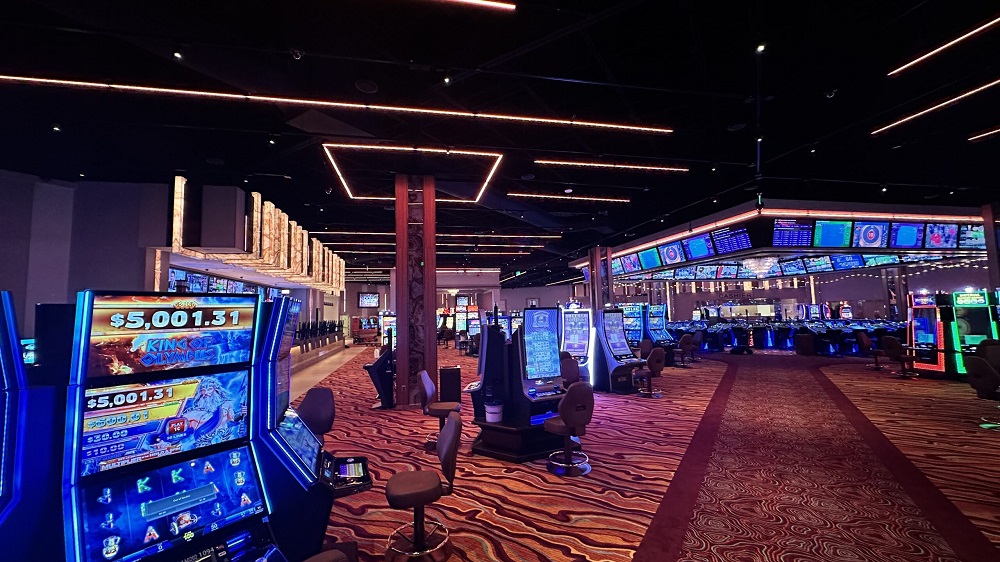
Casino games don’t just rely on luck—they rely on carefully engineered design choices that encourage players to stay engaged longer than they planned. From visual stimulation to psychological rewards, every detail is shaped to maximize playtime. This isn’t accidental. It’s the result of decades of behavioral research, data analysis, and game optimization.
Understanding these mechanisms helps explain why casinos feel so immersive—and why it can be hard to walk away once you start.
The Psychology Behind Casino Game Design
At their core, casino games are built around human behavior patterns. Designers study how people respond to rewards, uncertainty, and anticipation, then weave those responses directly into gameplay.
Key psychological principles include:
-
Variable rewards that trigger excitement
-
Near-miss outcomes that create motivation to try again
-
Sensory stimulation that keeps the brain alert
-
Loss aversion, where players chase previous losses
These elements combine to form a loop that feels entertaining, engaging, and emotionally charged.
Variable Rewards and the Dopamine Effect
One of the most powerful tools in casino game design is the variable reward system. Instead of predictable payouts, wins occur at irregular intervals.
Why this works:
-
The brain releases dopamine in anticipation, not just on winning
-
Uncertainty makes rewards feel more exciting
-
Players stay engaged longer because the next win feels “close”
Slot machines, in particular, thrive on this principle by offering frequent small wins mixed with occasional larger payouts.
Near Misses That Feel Almost Like Wins
A “near miss” happens when the outcome looks close to a jackpot but falls just short—like two jackpot symbols appearing with the third barely missing.
This design choice:
-
Activates the same brain areas as actual wins
-
Encourages the belief that success is imminent
-
Increases motivation to continue playing
Even though nothing was won, the emotional response keeps players invested.
Immersive Visual and Audio Stimulation
Casinos are sensory environments, and games are designed to amplify that experience.
Common design elements include:
-
Bright colors and dynamic animations
-
Celebratory sounds even for small wins
-
Fast-paced gameplay that minimizes downtime
-
Smooth transitions between rounds
These features reduce boredom, heighten excitement, and make time feel less noticeable.
The Illusion of Control
Many casino games subtly give players a sense of influence—even when outcomes are entirely random.
Examples include:
-
Choosing numbers or cards
-
Pressing buttons at specific moments
-
Interactive bonus rounds
This illusion of control increases emotional investment, making players feel more responsible for outcomes and more likely to keep playing.
Losses Framed as Progress
Casino games often disguise losses in ways that feel less discouraging.
Design techniques include:
-
Betting smaller amounts automatically
-
Rewarding loyalty points even when losing
-
Showing progress bars toward bonuses or perks
This framing makes continued play feel productive, even during losing streaks.
Time Distortion and Endless Gameplay
Casino games are built to blur the sense of time.
How this happens:
-
No natural stopping points between rounds
-
Instant replays with a single click or button
-
Minimal loading times
-
Constant visual engagement
Without clear breaks, players can lose track of how long they’ve been playing.
Why These Designs Are So Effective
All these elements work together to create a self-reinforcing cycle:
-
Play leads to anticipation
-
Anticipation leads to engagement
-
Engagement leads to extended play
The result is an experience that feels entertaining and immersive, but is carefully optimized to keep players involved as long as possible.
FAQs
Are casino games intentionally designed to be addictive?
Casino games are designed to maximize engagement using psychological principles, but addiction depends on individual behavior and circumstances.
Why do slot machines feel more addictive than other games?
Slots use fast gameplay, frequent rewards, and strong sensory feedback, which together create intense engagement.
Do online casino games use the same design strategies?
Yes, online games often use even more refined data-driven techniques, including personalized bonuses and rapid gameplay loops.
Can understanding game design reduce risky gambling behavior?
Awareness helps players recognize manipulation techniques, making it easier to set limits and play responsibly.
Why do small wins feel so satisfying?
Small, frequent wins trigger dopamine responses and reinforce continued play, even if overall losses occur.
Is the illusion of control unique to casino games?
No, it also appears in video games, mobile apps, and even financial trading platforms.
Do casinos benefit more from long playtime than big wins?
Yes, extended playtime increases overall spending, making time spent playing more valuable than occasional large payouts.